Bird Watching on Marco Island

Bird Watching Roseate Spoonbill
Home » Roseate Spoonbill

Key Takeaways

  • Bird watching on Marco Island features species like ospreys, pelicans, and burrowing owls, making it a rewarding experience.
  • The Great Florida Birding Trail includes Tigertail Beach Park and other nearby locations ideal for bird enthusiasts.
  • The snowy egret and great blue heron are common sights on Marco Island’s beaches, offering great photo opportunities.
  • Visitors can observe nesting least terns and black skimmers during their breeding seasons along the coast.
  • Sea Mar Condo provides a perfect base for bird watching on Marco Island, with easy access to eco tours and scenic views.

Bird Watching on Marco Island

Marco Island’s beautiful birds are one of the island’s greatest assets.  Bird watching on Marco Island is especially rewarding.  There are many species native to the island.

Marco Island Ospry

I photographed this osprey posing on Tigertail Beach.  These majestic birds are not normally people friendly. However, this one seems to enjoy the attention!!  If you are like me, it is special to capture a beautiful photo.  What a precious vacation memory!  This osprey’s picture is in Sea Mar Condo for our guests to enjoy!

There are many birds which are native to Marco Island and the southern Florida area. Birds that are common on Marco Island include the white egret, osprey, pelican, bald eagle and burrowing owl.

The Great Florida Birding Trail

Tigertail Beach Park is located on the Great Florida Birding Trail. It is a nice place to see and photograph many species of birds. There are also other bird watching sites around Marco Island. They include Rookery Bay National Estuarine Research Reserve and Briggs Nature Center.  Frank E. Mackle Jr. Park, Eagle Lakes Park and Sugden Regional Park are also good.  It is a  short 40 minute drive to Big Cypress Welcome Center. Turner Loop Road near Everglades City is also a great birding site.

Burrowing Owls on Marco Island

Burrowing Owls at Resident's Beach

Marco Island has been recognized by the Audubon Society for their efforts to increase numbers of burrowing owls. The small owls are protected by both the state of Florida and the city of Marco Island.  Many residents volunteer to adopt the owls. They offer protective housing (borrows) for these beautiful birds. The owls are given a wide roped off space, but are yet visible to visitors.  Hint: They tend to pose for pics in the morning and late afternoon hours. See our related post Burrowing Owls on Marco Island. https://seamarcondo.com/burrowing-owls-on-marco-island

Osprey on the Island

Around Marco Island, you will likely see large osprey nests built of sticks. They are often on channel markers.  Ospreys have a large brown back and a white underside.  Visitors to Marco Island see these birds soaring around condo buildings and over the Gulf waters.  They are very large with wingspans of between 4-5 feet.  Ospreys soar above the shallow water along the beach. Then they hover briefly before diving feet first to grab a fish.  The bird then takes off with its fish, carrying it back to its nest. It is not uncommon to see ospreys perched on a building. They are also commonr along the beach on driftwood in the Tigertail area.

Lots of Pelicans on Marco Island

Brown Pelicans

Marco Island Brown Pelican

This is my favorite bird to watch on Marco Island!  What fun it is to see these impressive divers circling high above the Gulf waters. I love seeing them dive headfirst in search of the perfect feast.  Often you will see the brown pelicans fly in group formation. They normally fly in a V-shape along the water.  Pelicans are plentiful on Marco.  It is common to be in the water and see one swoop close by.  The pelican expands its throat pouch (gullet) to trap fish, filling it with over 2 gallons of water. Then it enjoys a tasty meal!  A friend of mine took the picture to the left as we left on a Marco Island Princess dinner cruise.  This picture is also in Sea Mar Condo for our guests to enjoy!  See our full article on The Brown Pelican at https://seamarcondo.com/marco-island-wildlifethe-brown-pelican.

White Pelicans

The White Pelican is the largest bird in North America.

More rare to spot on Marco Island are white pelicans. They arrive in the area in late fall and stay until the early spring.  The white pelican has white feathers and a pink-tangerine colored bill. This beautiful bird is the largest bird in North America. Isolated areas like mangrove islands are preferred habitats. These birds are shy and less social.  Your chances of seeing a white pelican are better during a boat tour of the 10,000 islands with binoculars.  White pelicans work as a team to herd their food prey,  fluffing their wings to assemble and gather the fish.

Bald Eagles on Marco Island

Marco Island Bald Eagle

Marco Island Nature Preserve is home to the island’s nesting American Bald Eagles during nesting season.  The preserve is located at 665 Tigertail Court, Marco Island, FL.  This organization works alongside volunteers of Marco Island to guarantee the safety of active Bald Eagle nests.  Visitors may visit during nesting season between November and May.

The Marco Island Nature Preserve & Bird Sanctuary also has a Facebook page https://www.facebook.com/MarcoIslandNaturePreserveThe page has lots of great information on these majestic birds and their activity.

Roseate Spoonbill

Pink Spoonbills in Flight

Birdwatching on Marco Island is more exciting with color!  My favorite bird around Marco and the 10,000 island area is the roseate spoonbill.  The spoonbill is a beautiful pink wading bird. Although rare to see on Marco, they are sometimes spotted near Tigertail Lagoon.  Visitors taking eco tours of the 10,000 islands commonly get to see the roseate spoonbill.  Besides Tigertail Lagoon, my sightings include one on a boat tour a few years ago and again on a drive along Turner Loop Road in the Everglades.

The roseate spoonbill has bright pink feathers and red eyes with a giant spoon-shaped bill.  These birds are especially beautiful in flight flying with their outstretched necks.  A couple of neat facts about the spoonbill:  They bald as they mature by losing feathers from the top of their head.  And, their pink color comes from the crustaceans they eat. The crustaceans contain pigments called carotenoids that turn their feathers pink.

See our related post on Exploring the Habitat of the Roseate Spoonbill: https://seamarcondo.com/marco-island-wildlife-the-roseate-spoonbill

Least Terns Nesting on Marco Island

Least Terns on Tigertail

The least tern is the smallest of the American terns.  They grow to a length of 8 1/2 to 9 inches with a wingspan of 21-23 inches.  Tigertail Beach on Marco Island is one of the largest least tern nesting areas in Southwest Florida. This bird has a gray back, black wings, a yellow beak and a white belly.  It also has pointed wings and a forked tail.  Least terns nest in colonies. They stay on sandy beaches with a path to the water.  They are also a threatened species.  Visitors to the island can walk along the north tip of Tigertail Beach during nesting season (April-August) and see large colonies of 200 or more least terns nesting. Roped areas protect the nests.  Signs give warnings to keep a distance from nesting birds.

Black Skimmers on Marco 

Black Skimmers

Black skimmers are on Marco Island year round.  The island has the largest black skimmer colony in the state of Florida.  Many black skimmers on Marco are banded to track movements, lifespans, and survival rate.  Black skimmers nest in large colonies around April-August on Tigertail Beach.  Visitors to Big Marco Pass during nesting season can see colonies of 400 or more black skimmers.  Roped areas keep visitors a safe distance from nesting birds.  Although normally a calm bird, the black skimmer will dive bomb anything getting close to a nest of newly hatched chicks.  During the winter months, visitors to the island will see black skimmers resting on the beach.

The black skimmer has a wingspan of around 45 inches.  They have a black back, white belly, orange-red legs, and a black-and-red bill.  Orange color on their bill and legs make them easy to spot.  Black skimmers fly very low above the water.

Snowy Egrets Along the Beach

Snowy Egret

It’s not often you walk along Marco Island’s beautiful beaches without one of these guys joining you!  They are known for their “strut” and “ruffled feathers”. The snowy egret can become quite comical in their appearance.  (Makes for a great photo!)  The snowy egret is a water bird. They are around 26″ tall with white feathers and a black bill.  It has black legs and bright yellow feet.  In spring, the egret has “fancy” lace-like feathers on its head and along its back for its showy displays of courtship.  Marco’s snowy egrets are very used to people. They will virtually “walk the beach” with you!

Great Blue Heron

Great Blue Heron

The great blue heron is the tallest of the wading birds.  It is slate blue in color with a white head, a black stripe above the eye, and a yellow bill.  This bird has a wing span of 65-79 inches.   Blue herons are solitary birds that are normally seen standing motionless in shallow water.  Tigertail Lagoon is a good place to look for this bird. Taking an eco tour or a drive to the Everglades along Turner Road is also a great way to see a great blue heron.

Anhinga (Piano Bird)

Anhinga

The Anhinga is a most unusual bird.  It swims with its webbed feet.  They also dive under water, and spear food by rapidly stretching out the neck.  Anhinga’s feathers are not waterproof as other types of water birds.  Their feathers get soaked when they are submerged in water, thus they cannot stay in the water for long periods of time.

The bird stands with it’s feathers fanned out to dry.  Anhingas also pridefully sit in trees with outstretched wings until they are dry enough to fly.  The male anhinga is glossy black with white tail feathers.  When outstretched, the bottom of the male’s wings have white strips that resemble piano keys. They are sometimes called “piano birds”.  The female is pale gray in color or light brown.  I took the picture of this bird at the Big Cypress Welcome Center along the boardwalk.

Anhinga diving

Sea Mar Condo is the Perfect Place to Stay for Bird Watching on Marco Island

Sea Mar Condo Logo

Sea Mar Condo is located on the south end of Tigertail Beach and the north end of Marco Island’s South (Crescent Beach).  Our 19th floor penthouse condo overlooks South Beach. It has beautiful views of the beach and Gulf waters.  We are a short 40 minute drive to Big Cypress National Preserve and Everglades City.  There are many guided eco tours of the 10,000 islands.  All of these areas are perfect for bird watching on Marco Island (and surrounding areas).  Visit our website https://seamarcondo.com for more information on Marco Island and Sea Mar Condo.  We would love to have you as our guests!
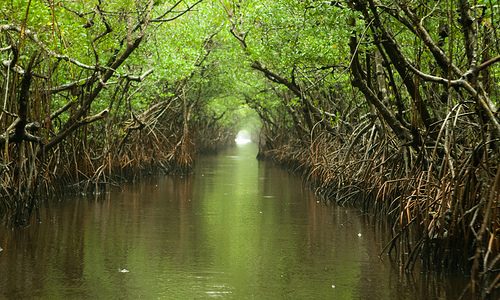
Explore the Everglades: A Day Trip From Marco Island

Everglades and Turner River
Home » Roseate Spoonbill

Key Takeaways

  • Everglades National Park is a unique ecosystem known as a ‘River of Grass’ and is crucial for Florida’s fresh water supply.
  • The park features diverse wildlife, including endangered species like the Florida panther and the American crocodile.
  • Visitors can enjoy various activities including airboat tours, hiking trails, and educational experiences at visitor centers.
  • The best visiting season is from December to March, when the weather is cooler and less humid.
  • The park is only a 45-minute drive from Marco Island, making it an ideal location for a day trip to Everglades National Park.

Everglades National Park

A River of Grass

Everglades National Park is a “River of Grass”. Others call it a swamp. It is a long, shallow river nearly 50 miles wide and about 100 miles long. The dominant life form in the “river” is periphyton. This is a mossy golden-brown substance found floating in the waterPeriphyton is a complex mixture of algae, cyanobacteria, heterotrophic microbes, and detritus. It attaches to submerged surfaces in an ecosystem. It also serves as an important food source for invertebrates, tadpoles, and some fish.

Sawgrass marsh makes up about 70 percent of the Everglades. In the northern Everglades it is tall and dense. This makes some areas of water barely visible. In the south it tends to be short and less dense.  Sawgrass has serrated, razor sharp blades that can cut through clothing.

Turner River Road, Everglades National Park

Everglades National Park is much smaller today than in years past.  Construction and drainage projects are a factor in the reduction of around 50% of the wetlands. Thus, the restoration of the Everglades has been and is an issue for many political debates. Both state and federal governments are working to restore and protect the Everglades.

The Past

Calusa (kah LOOS ah) Indians lived on and controlled most of the southwest coast of Florida.  The Everglades were central to life in the Indian villages.  Many were located on the mouths of rivers above the Everglades. The natives traveled by canoes through the Everglades. They hunted alligators, turtles, shellfish and small mammals. These were essential to their food supply.  The teeth and bones of wildlife and reeds from plants were used for making tools. The Native Americans called the area “Pahayokee (pay-HIGH-oh-geh). This means “grassy waters”.  The Calusa declined with European expansion to the area.  Some were killed. Most died of diseases brought in by the European settlers.

Everglades National Park Weather

There are two seasons in the Everglades:  wet and dry.  This results in the alternating periods of flood and drought.

The wet (summer) season accounts for around 80% of the average annual rainfall in the area (50+ inches). It lasts from May through November.  The humidity and temperatures (90+F) are high.  Most afternoons have thunderstorms (and occasional hurricanes). The rainy season is important in renewing the fresh-water supply.  Hurricanes can be good for the ecosystem. They make new areas for plant growth. Seeds also scatter, and storms cause water movement in the normally shallow, slow moving river. Recent hurricanes have impacted the Everglades (Katrina, Rita, and Wilma, Irma).

Rainfall is the primary method water enters the Everglades. Evapotranspiration accounts for 70-90% of the rainfall leaving the area.

The dry (winter) season is December through April.  It brings cooler temperatures (55F-77F) and little rain.  The dry season is especially important for the reproduction of the birds and wildlife in the area.

Fire

The dry season causes drought conditions that are perfect for fires.  The Florida Everglades have recently experienced fires around the Big Cypress National Preserve.  Although fire may seem to be a destructive element to nature, most often it is not.  Fire is essential for maintenance and also new growth of the land.

Environmental factors are always changing the ecological system.  The climate and frequency of rain, storms, and fire all change the Everglades on a continual basis.

Everglades Water Supply    

Approximately one third of people living in Florida rely on water from the Everglades for their fresh water supply.  This makes protecting the Everglades extremely important.

Plant Life in Everglades National Park

Wet sawgrass prairies and periphyton are plentiful in the Everglades. The river holds mangrove and cypress swamps, pinelands and hardwood hammocks. Hammocks are dry land that rise out of the grassy river. Tropical and subtropical trees such as the southern live oak grow on them.

The oldest and tallest trees in the Everglades are cypresses. They have roots especially adapted to grow underwater.  Big Cypress Swamp is well known for its 500 year old cypresses.

Link to Big Cypress Swamp Website:        https://www.nps.gov/bicy/index.htm

Wildlife in Everglades National Park

Everglades National Park is home to at least 350 species of birds, 50 reptile species, 300 species of saltwater and freshwater fish, and 40 species of mammals.  In addition, the ecosystem provides protection for 14 endangered and nine threatened species, including the Florida panther, the Atlantic Ridley turtle, the leatherback turtle, the West Indian manatee, the snail kite, the Cape Sable seaside sparrow, and the American crocodile.  There are at least 36 species that live in Everglades National Park that are on the protected, threatened, or endangered list.

The Everglades are a refuge for large wading birds, such as the wood stork, great blue heron, egrets, and the roseate spoonbill and it is the most important tropical wading bird breeding ground in North America.

This area is the only place in the world where alligators and crocodiles co-exist together in the wild.  Crocodiles are in small numbers in the coastal areas of the Everglades.  On the other hand, alligators stay more inland, near the freshwater.

Even mosquitoes play an important role to the Everglades.  The larvae of grown mosquitoes are food for fish. Then, the larvae become an important food source to the diets of the wading birds.

Pythons have become an invasive species to the area.  Recently, professional trained python bounty hunters are helping to help remove these large snakes from the area because they pose a threat to the ecosystem food source.

Wading Birds in Everglades National Park
Wading Birds, including a Pink Spoonbill in Everglades National Park

Visitors to Everglades National Park

More than one million people from all over the world visit The Florida Everglades every year.  It is the third biggest national park in America. Only Yellowstone and Death Valley are greater in land mass.  Everglades National Park provides a fantastic learning experience to those of all ages and is also a great family adventure.  Photographers find the landscape and the wildlife the perfect setting for great photos.

The busy visitor season is from December through March because it is the driest time of the year. The temperatures are also cooler, and there are fewer mosquitoes.

If you are considering a trip to the Everglades, be sure to bring along water and an insect repellant.  Protective clothing may also be necessary depending on what you are doing or where you are going.

Everglades National Park Visitor Centers

Everglades National Park has 4 Visitor Centers

Shark Valley Visitor Center

Address: Everglades National Park, 36000 SW 8th St, Miami, FL 33194

Hours of Operation     
8:30 a.m. – 5:00 p.m. Mid-December – Mid-April
9:00 a.m. – 5:00 p.m. Mid-April – Mid-December
Hours are subject to change. Phone 305-221-8776.

Visitors wanting to explore alone the area can walk the short trails and portions of the tram road, or bike. In addition, an observation tower located halfway around the tram road provides a spectacular view into the sawgrass marsh.

Guided tram tours, bicycle rentals, snacks and soft drinks are available from Shark Valley Tram Tours, Inc.

Shark Valley Trails:

Bobcat Boardwalk: sawgrass slough and tropical hardwood forests

Otter Cave Hammock Trail: tropical hardwood forest with small footbridges over a small       stream.

Tram Road: flat, paved road used for tram rides, bicycling, and walking.  You may see alligators, herons, egrets, turtles, and snail kites.  An observation tower also provides panoramic views of the tropical hardwood hammock.

Ernest F. Coe Visitor Center (Park Main Entrance)

Address: Everglades National Park, 40001 State Hwy 9336, Homestead, FL 33034

Hours of Operation
Mid-December through Mid-April 8 a.m. – 5 p.m.
Mid-April through Mid-December 9 a.m. – 5 p.m.
Hours subject to change.  Phone (305) 242-7700

The Ernest F. Coe Visitor Center is open 365 days a year. It offers educational displays, orientation films, and informational brochures. Also, special collections by local artists are often on display.  In addition, books, film, postcards, and insect repellent may for purchase in the adjoining bookstore.  A short drive from the visitor center is a series of popular walking trails. The main park road runs 38 miles from the Ernest Coe Main Entrance through the park to the Flamingo Visitor Center.  

Trails from Ernest F. Coe Visitor Center:

Anhinga Trail: Four miles from the main entrance, the Anhinga Trail is a self-guided 0.5 mile round trip trail.  It winds through a sawgrass marsh, where you may see alligators, turtles, herons, egrets, and other birds, especially during the winter. Because of the wildlife, this is one the most popular trails in the park.

Gumbo Limbo Trail: This self-guided, 0.5 mile round trip tail is 4 miles from the main entrance. The paved trail meanders through a shaded hammock of gumbo limbo trees, royal palms, ferns, and air plants.

Pahayokee Overlook: Located 13 miles from the main entrance the trail is 0.25 miles.
An observation deck on this loop provides views of the Everglades.

Mahogany Hammock Trail: Located 20 miles from the main entrance this trail is 0.5 miles round trip.  It is a self-guided boardwalk that meanders through a dense hardwood hammock with gumbo-limbo trees, air plants. Another significant feature of this trail is the largest living mahogany tree in the United States.

Alligator in Everglades National Park
Alligators are Commonly seen in Everglades National Park

Flamingo Visitor Center

AddressEverglades National Park, 1 Flamingo Lodge Hwy, Homestead, FL 33034

Hours of Operation
8am – 4:30pm mid-November through mid-April
No regular hours off season – intermittent staffing (Mid-April through mid-November).

Hours are subject to changePhone (239) 695-2945

The Flamingo Visitor Center lies roughly 38 miles south of the park main entrance at the Ernest F. Coe Visitor Center. Visitors should expect to drive about an hour before arriving at Flamingo.

The Flamingo Visitor Center offers educational displays, informational brochures, and backcountry permits. Campground facilities, a public boat ramp, a marina store, and hiking and canoeing trails are also located near the visitor center.

Flamingo Marina Rentals and Boat Tours (239) 695-3101
Houseboat, canoe, kayak, bicycle rentals and boat tours are available through the marina store. The marina is open year round.

Flamingo Trails:

West Lake Trail: Located 7 miles north of the Flamingo Visitor Center on the park road, this is a 0.5 mile round trip trail. It is a self-guided boardwalk trail. The trail leads to a forest of white mangrove, black mangrove, red mangrove, and buttonwood trees to West Lake.

Eco Pond Trail – Near the Flamingo Visitor Center this 0.5 mile round trail allows visitors to walk around a freshwater pond while watching wading birds, song birds, ducks, alligators and softshell turtles.

Gulf Coast Visitors Center Everglades National Park

Gulf Coast Visitor Center

Address: 815 Oyster Bar Ln, Everglades City, FL 34139

Hours of Operation
9:00 am to 4:30 pm Mid-April- Mid-November
8:00 am to 4:30 pm Mid-November – Mid-April
Hours subject to change. Contact by Phone: 239-695-3311

The Gulf Coast Visitor Center serves as the gateway for exploring the Ten Thousand Islands. The islands are a maze of mangrove islands and waterways extending to Flamingo and Florida Bay. Thus, they are accessible only by boat.

The visitor center also offers educational displays, orientation films, informational brochures, and backcountry permits.

Boat tours and canoe rentals are available. Restaurants and stores are located nearby.

Activities:

Ten Thousand Islands Boat Tour: (1 ½ hours, fee charged). Discover the Ten Thousand Islands of the Gulf Coast. Naturalists offer narrated boat tours on a year round schedule. Concessions are also available on the boats.

Everglades Highlights: (30 Minutes- held on the grounds in front of the Gulf Coast Visitor Center). Join the park staff for a short talk about important features of the Everglades. Ecological, historical and environmental issues are also part of the discussion.

Paddle the Wilderness: With a ranger as your guide, paddle through the Ten Thousand Islands to look at wildlife and mangroves while you learn about the park’s natural and cultural history.

*Reservations need to be made 7 days in advance. For reservations and further trip details, call the Gulf Coast Visitor Center at 239-695-3311.

Everglades Airboat Tour
An Airboat Tour is a Fun Way to Explore Everglades National Park


Airboat Tours

Three authorized airboat businesses offer professional airboat tours inside Everglades National Park.  All three (Coopertown, Everglades Safari Park, and Gator Park) are located along US Hwy 41/Tamiami Trail between Miami and Shark Valley.

Coopertown
https://coopertownairboats.com

Everglades Safari Park
https://www.evergladessafaripark.com

Gator Park 
https://www.gatorpark.com

Everglades National Park Prohibited Activities

Personal Jet Skis and Airboats are prohibited due to safety issues

Swimming is not recommended due to low visibility and the presence of alligators and crocodiles in fresh water areas and sharks, barracuda and sharp coral in the salt water areas.

Visiting Marco Island and the Everglades

Because there is no public transportation available, visiting the Everglades from Marco Island requires a car.

Everglades City is a 45 minute drive from Marco Island. It is also the closest entrance to the Everglades from the island.  Loop Road, which is a 16 mile drive (gravel road) offers visitors a chance to see the beauty of the Everglades and wildlife of the area.  In addition, there are several airboat and swamp buggy rides and boat tours from Everglades City.

Everglades City Airboat Tours

Captain Jack’s Airboat Tours

Jungle Erv Airboat Rides

Captain Doug’s Airboat Tours

Wootens Everglades Airboat and Swamp Buggy Tours

As long as your are in this area, The Shark Valley Visitor’s Center is 40 miles past Everglades City where a tram ride is available.

Another fun adventure is a jet ski adventure from Marco Island around the Ten Thousand Islands of mangroves off Marco Island.

Avi’s Watersports

https://aviwatersports.com

Captain Ron’s Awesome Everglades Adventures

Sea Mar Condo Logo

We highly recommend a day trip to Everglades National Park to our guests at Sea Mar Condo https://seamarcondo.com.  The park is only a short 45 minute drive from the condo and is a great day adventure. On one of our recent trips there we saw almost 30 alligators and many wading birds (including a roseate spoonbill).

What’s Unusual About Marco Island?

Home » Roseate Spoonbill

Key Takeaways

  • Marco Island is a beautiful barrier island known for its stunning beaches and wildlife.
  • Visitors love the unique sunsets, including the rare ‘green flash’ phenomenon.
  • The island offers exciting outdoor activities like fishing, kayaking, and dolphin watching.
  • Cape Romano’s dome houses provide a quirky landmark worth exploring while visiting Marco Island.
  • Many visitors describe Marco Island as a unique and magical place that keeps them returning.

What’s unusual about Marco Island? What’s unique about this island that residents and visitors call “Paradise Island”? What makes it so special that once you arrive in Paradise you don’t want to leave?

Marco Island is a barrier island in the Gulf of Mexico off Southwest Florida. It is linked to the mainland by two bridges south of the city of Naples. It’s home to resort hotels, beaches, marinas and golf courses, as well as a network of inland waterways.

Marco Island Beaches

South Beach Marco Island

The island has two beaches. Each is unique in its own way, connected into a 6 mile strip of white sand. The south end of the beach is appropriately called South Beach, also commonly called Crescent Beach. It is lined with resort hotels. This beach also has water sporting venues for boating, jet skiing, parasailing, and boat tours. In contrast, the north end of the beach is Tigertail Beach with a tidal lagoon. It is especially popular for kayaking and paddle boarding. Tigertail is also very popular for its shorebirds and shelling.

Marco Island Sunsets

Marco Island’s sunsets are famous for their unique colors and brilliance. Many of the island’s restaurants are located with views of the Gulf waters or on inlets. This allows diners to have a delicious meal of fresh seafood while viewing a beautiful sunset. Many of the island’s guest accommodations also have fantastic views of the sunsets. A favorite among both locals and island visitors is being right on the beach to see the best sunset. Around the sunset hour, the beach gets very active with beach goers. Bring a camera to capture that perfect sunset picture!

Marco Island Sunset
There’s nothing like a Marco Island sunset!

A Green Flash?

Especially unique about the Marco Island sunset is the “green flash” that you can occasionally see. The Green Flash is a real, if rare, phenomenon that looks just like its name. It is a fleeting burst of vivid green above the upper rim of the sun just as it disappears into the horizon. Some Green Flashes are bigger than others. Some are more noticeable than others. But all of them give you the feeling you’ve witnessed something magical. If you go to the beach for a sunset, you will always hear mention of the “green flash”. It is real, but not often seen!

Marco Island Wildlife

And what about the unique wildlife that inhabits Marco Island? May-September is loggerhead turtle nesting season on the island. Beach combers will see yellow roped off areas where the turtles have laid eggs. If you are really lucky, you may get to see a nest hatch. My husband and I witnessed this several years ago and it is just a “magical” experience.

Marco Island’s Tigertail Beach is also located on the Great Florida Birding Trail. The island is home to many unique birds including the blue heron, white egret, osprey, black skimmer, ibis, eagle, pelican, and roseate spoonbill. What fun it is to watch these birds in action! They either wade by the shoreline or fly high above the waters, diving to catch their food.

Roseate Spoonbills
Roseate Spoonbills are a Favorite on Marco Island

Many tours around the island offer opportunities for guests to see dolphins, manatee, and sea turtles up close and personal. What a thrill to be boating or jet skiing with a mother dolphin and her calf playing in your wake!

Fishing in Marco Island

Backwater fishing gives you the chance to fish for Florida’s most popular game-fish among the mangroves of the 10,000 islands. Backwater fishing offers calm waters, beautiful scenery and little travel. Most popular catches are Snook, Redfish, Sea Trout, Tarpon, Pompano, Snapper, Jack Crevalle, and Ladyfish.

Offshore fishing ventures into the Gulf of Mexico. Fishing the wrecks and reefs off of the coast of Marco Island and Naples is a very popular sport. Catches like Tarpon, Red and Black Grouper, King Mackerel, Shark, Snapper, Goliath Grouper, Permit, Cobia, Barracuda and Tripletail make for an awesome adventure.

Restaurants that Prepare The Fish You Catch?

Are you ready to book a deep sea fishing excursion and bring your catch of the day to one of the island restaurants? Many island restaurants offer the service of cooking up your catch of the day!

Sheepshead Fish Marco Island

And what about the unique fish in the Gulf waters around Marco Island? Many island visitors like to book a deep fishing trip to get that “catch” of a lifetime. Many of these catches may look a bit “unusual”!

Cape Romano Dome Houses

Cape Romano Dome Homes

And speaking of what’s unusual about Marco Island. How about the dome houses at Cape Romano? These “unique” structures look like something out of the Twilight Zone. However, they were actually once upon a time a very modern home to businessman Bob Lee.

The dome houses, built in 1992, were the primary residence of Janet Maple and Lee’s grandson Mike Morgan up until 1993, a year after Hurricane Andrew. This hurricane didn’t do much damage thanks to the home’s unique elevated and rounded structure. In 2005, the house was purchased by John Tosto, just before Hurricane Wilma. Unfortunately, Wilma sadly caused a fair amount of damage to the domes. It also washed away some of the coastline. For unknown reasons, the Tosto’s never actually removed the houses. This left a pretty interesting site for locals and enthusiast visitors to explore. Cape Romano is only accessible by boat now and the domes are fully reclaimed by the sea. However, visiting Cape Romano remains one of the most popular tours off of Marco Island.

Sea Mar Condo, Marco Island, FL
Sea Mar Condo Balcony

A Unique and Magical Island!

What’s unusual about Marco Island? Whatever you consider “unique”, this island will have something to satisfy your cravings. The island is also described by many of it’s visitors as having a “magical” quality about it.  In fact, many return year after year because of the island’s unique qualities.  I have to admit, that is what happened to us several years ago when we decided to purchase our rental condo, Sea Mar Condo. We would love to share this magical piece of Paradise with you!

Visit our website at www.seamarcondo to see our rates and availability. Our website also provides lots of information about things to see and do in Marco Island.
Let us help you make the most of your Marco Island vacation!  https://seamarcondo.com

Exploring the Habitat of the Roseate Spoonbill

Roseate Spoonbills
Home » Roseate Spoonbill

Key Takeaways

  • The Roseate Spoonbill is a striking wading bird, known for its pink plumage and unique spoon-shaped bill.
  • They nest in colonies, with both parents sharing incubation duties and caring for the young after hatching.
  • Roseate Spoonbills feed in shallow waters, eating minnows, small crustaceans, and insects, usually in the early morning or evening.
  • This bird typically breeds at three years old and uses elaborate courtship displays to attract a mate.
  • In the wild, Roseate Spoonbills can live up to 10 years, while in human care they may live up to 15 years.

When I am in the Marco Island, 10,000 Islands/Everglades area, I am always on the lookout for the roseate spoonbill. It is such an intriguing, beautiful bird.  It is definite among my favorite as is the pelican and the eagle.  Seeing the beautiful birds around Marco Island is just a bonus to my beach trip!

Roseate spoonbills nest in mixed colonies in mangroves or trees on the coast. The female builds the nest while the male retrieves the nesting materials. The female lays up to three whitish-colored eggs. Both adults incubate the eggs for up to 24 days. The young remain in the nest for approximately 35-42 days. They are fed by both adults. Critical Wildlife Areas protect some of Florida’s most vulnerable wildlife, including the state-threatened roseate spoonbill, from human disturbance during important life stages such as breeding and nesting.

Bizarre But Beautiful

Gorgeous at a distance and bizarre up close is the Roseate Spoonbill. Locally common in coastal Florida, Texas, and southwest Louisiana, they are usually in small flocks, often associating with other waders. Spoonbills feed in shallow waters, walking forward slowly while they swing their heads from side to side, sifting the muck with their wide flat bills.

The roseate spoonbill is a large wading bird known for its pink plumage and distinctive spoon-shaped bill. Its upper neck and back are colored white, while the wings and feathers underneath display the more recognizable light shade of pink. The wings and tail coverts are deep red, along with the legs and the iris of the eyes. Part of the spoonbill’s head is a distinct yellow-green. When they are young, the birds are duller in appearance, brightening as they mature.

Reaching a height of up to 2.5 feet, the roseate spoonbill’s wingspan can stretch 1.5 times as wide, reaching up to 4 feet.

Roseate Spoonbill; Photo Credit: Gary Roach

Yes, Spoonbills are on Marco Island

In the United States, the roseate spoonbill can be found in southern Florida (yes, in Marco Island), coastal Texas and southwestern Louisiana. Their breeding range extends south from Florida through the Greater Antilles to Argentina, Chile and Uruguay. Roseate spoonbills usually live in marsh-like areas and mangroves.

While feeding, spoonbills utter a low, guttural sound. They are also known to call during breeding displays and when flying.

Using its spoon-like bill to scoop prey up from shallow water, the roseate spoonbill’s diet typically includes minnows, small crustaceans, insects and bits of plants. They feed in the early morning and evening hours in both fresh and saltwater wetlands. It is believed the roseate spoonbill receives its bright coloring from the pigments of the crustaceans that it eats.

A social bird, the roseate spoonbill often feeds, roosts and flies in formation with its species. They nest singly or in pairs, usually in trees over water and sometimes on small islands.

Roseate Spoonbills in Mangrove Area

Nesting Habits

Typically roseate spoonbills do not breed until their third year. To attract one another, courtship displays include ritualized exchanges of nest material, dancing and clapping. Female spoonbills create deep, well-constructed nests out of sticks using materials brought to them by males. The Florida population usually nests in red and black mangroves sometimes with wood storks, while the Texas and Louisiana populations often nest on the ground in offshore island mixed colonies with gulls, terns and herons.

A female lays a clutch of one to five eggs. Both parents share incubation duties, which last about 22 to 24 days. A newly hatched chick has mostly pink skin with a sparse covering of white down. The parents feed the chick by dribbling regurgitated material into the baby’s upturned bill. After one month, the chick will begin to exercise by clambering through the branches or foliage surrounding the nest, and by six weeks, it will have developed wing feathers large enough for flight.

The roseate spoonbill sleeps standing, usually on one leg, with its head tucked beneath its back and shoulder feathers.

They can live up to 15 years in human care and an estimated 10 years in the wild.

Visit our website https://seamarcondo.com for more information on Sea Mar Condo, Marco Island, FL. We want to make your vacation on Marco Island a trip of a lifetime!